Category Archives: Troubleshooting & Diagnostics

Common diesel truck problems, warnings, no-start issues, sensor failures, and diagnostic help.

Winter diesel survival guide image featuring a modern diesel truck in cold conditions with the North Texas Truck Stop logo.

WINTER DIESEL SURVIVAL GUIDE: DEF, Regens, Cold Starts & Fuel Gelling for Modern Diesels

Updated for 2025: How winter affects modern diesel trucks and what owners need to do to protect DEF systems, DPF, batteries, and fuel systems.

Winter Diesel Survival Guide: DEF, Regens, Cold Starts & Fuel Gelling for Modern Diesels

When temperatures drop in North Texas and across the country, modern diesel trucks start behaving differently. Cold starts get tougher. Regens happen more often. DEF warnings pop up (learn more about 2027 DEF laws). And if the weather gets bad enough, untreated diesel fuel can even gel. Whether you drive a Cummins, Duramax, or Power Stroke, winter conditions expose the weak spots in any emission-equipped diesel.

This guide breaks down why these issues happen, how to prevent them, and what every diesel owner should do when winter hits. If you’re shopping for a used diesel truck, this information will help you understand what matters—and what doesn’t—when evaluating a winter-ready pickup.

1. Why Modern Diesels Act Up in Cold Weather

Every modern diesel is built around a combination of emission systems: DPF, EGR, SCR, and DEF injection. These systems work exceptionally well—but they also rely on heat. When the engine stays cold, moisture builds up, filters don’t reach temperature, and the ECM forces more frequent regenerations to keep everything clean. Add thicker winter fuel and cold batteries, and you’ve got a perfect storm for seasonal headaches.

Most common winter diesel symptoms:

– Slow or smoky cold starts
– More frequent DPF regenerations
– Rough idle for the first few minutes
– Increased DEF consumption
– Temporary loss of power until warm
– Fuel gelling in extreme cold
– Reduced mpg

For a deeper breakdown, see our guide on how cold weather affects diesel engines.

2. DEF in Winter: What Actually Happens

DEF freezes at 12°F (how DEF systems actually work) (Cummins: DEF System Overview). The truck knows this and is designed to thaw the DEF tank and lines on its own. A frozen DEF tank won’t harm anything, but cold weather makes the truck work harder to maintain proper emissions function.

Winter effects on DEF systems:

– Higher DEF consumption
– Temporary “low-quality DEF” warnings
– ECM may delay DEF dosing until thawed
– More frequent regens due to condensation

What NOT to do with DEF in winter:

– Do not add DEF additives
– Do not delete emissions equipment
– Do not panic if DEF lights appear briefly in freezing temps

3. Why Diesels Regenerate More in Winter

Your DPF relies on sustained exhaust heat to burn off soot (EPA: Diesel Particulate Filter Info). Cold air, short trips, and long warm-ups delay that heat, causing soot to accumulate faster—and that triggers more frequent active regens.

Things that increase regens in winter:

– Lots of short trips
– Long idling periods
– Towing before the truck is fully warm
– Running the heater on max before driving

How to reduce winter regens:

– Avoid extended idling
– Drive 15–20 minutes at steady speed after cold starts
– Keep up with air filter and EGR maintenance
– Use high-quality winter fuel

Learn more in our full article on DPF regeneration and why it matters.

4. Fuel Gelling: How It Works & How to Prevent It

Diesel fuel thickens as temperatures drop (DOE: Diesel Fuel Gelling Guide). Around 15°F, untreated diesel begins forming wax crystals—this is gelling. When gelled fuel hits your filter, flow is restricted and the engine may stall.

Preventing fuel gelling:

– Use a quality winter anti-gel additive
– Keep fuel tanks above half
– Buy fuel from high-traffic stations
– Replace filters on schedule

Signs of gelled fuel:

– Hard start or no start
– Stalling shortly after running
– Low fuel rail pressure warnings
– Rough idle in extreme cold

5. How North Texas Truck Stop Prepares Diesels for Winter

Every diesel we retail goes through a winter-readiness evaluation that ensures the truck performs correctly in seasonal conditions—not just in warm weather. We focus on:

– Full emissions system scan (DPF, EGR, SCR, DEF)
– Checking regen history & soot load
– Battery load testing
– Glow plug & grid heater verification
– Fresh filters when needed
– High-quality DEF fill
– Thermostat & coolant performance check

6. Winter Diesel Maintenance Checklist

Before winter:

– Change fuel filters
– Verify glow plugs / grid heater
– Run a quality anti-gel additive
– Test batteries
– Inspect for boost leaks
– Use winter-rated washer fluid

During winter:

– Avoid long idling
– Take longer warm-up drives
– Watch DEF levels
– Don’t ignore regen messages

Before long trips:

– Top off fuel
– Carry anti-gel
– Check tire pressures
– Verify coolant level

7. Winter Diesel FAQ

Does DEF freeze?
Yes—at 12°F. The truck thaws it automatically.

Do diesels regen more in winter?
Absolutely. Cold temps slow soot burn-off.

Will modern diesels start in the cold without a block heater?
Usually yes, but weak batteries or glow plugs cause problems.

Do Cummins, Duramax, and Power Stroke behave differently?
– Cummins: strong grid heaters
– Power Stroke: fast glow plugs
– Duramax: regen strategy is more sensitive

Should I use DEF additives?
No—never add anything to DEF.

If you want details on how each platform has evolved over the years, check out our engine update guides:

6.7 Cummins Year-by-Year Updates
6.6 Duramax Year-by-Year Updates
Power Stroke Engine Updates by Year

Final Thoughts

Cold weather exposes the weak points in any modern diesel. But with the right maintenance, additives, and understanding of emissions behavior, your truck will run strong through winter and beyond. Whether you’re driving a Cummins, Duramax, or Power Stroke, staying ahead of winter issues means fewer surprises and fewer warning lights.

Looking for a winter-ready diesel? We inspect every truck for emissions performance, cold-weather behavior, and long-term reliability. View our current inventory.

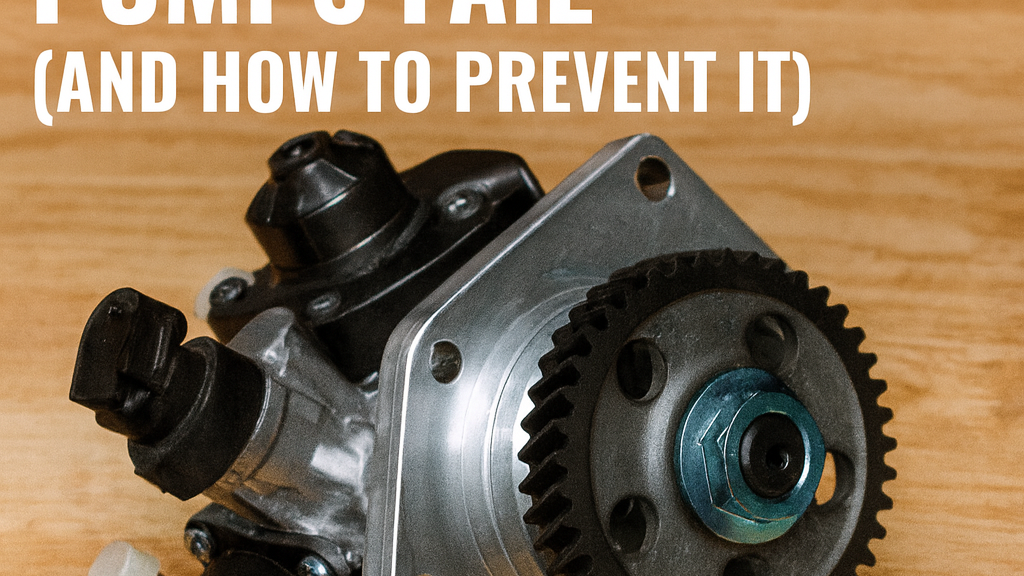
CP4 high-pressure fuel pump on a workbench, illustrating the internal components that commonly fail from poor lubrication and fuel quality.

Why CP4 Fuel Pumps Fail (and how to prevent it)

Why CP4 Fuel Pumps Fail in Modern Diesel Trucks

The CP4 high-pressure fuel pump has become one of the most feared failures in modern diesel engines. When a CP4 pump fails, it can send metal particles through the entire high-pressure fuel system, damaging the injectors, rails, pump, and lines. Repairs often climb into five-figure territory, making CP4 failure a nightmare scenario for diesel owners.

The good news? Most CP4 failures are preventable with proper maintenance and fuel-lubricity management.


The Real Reason CP4 Pumps Fail

CP4 pumps can fail for a few reasons — air in the fuel, water contamination, or internal wear — but the #1 cause is:

Read the rest of this entry >>