

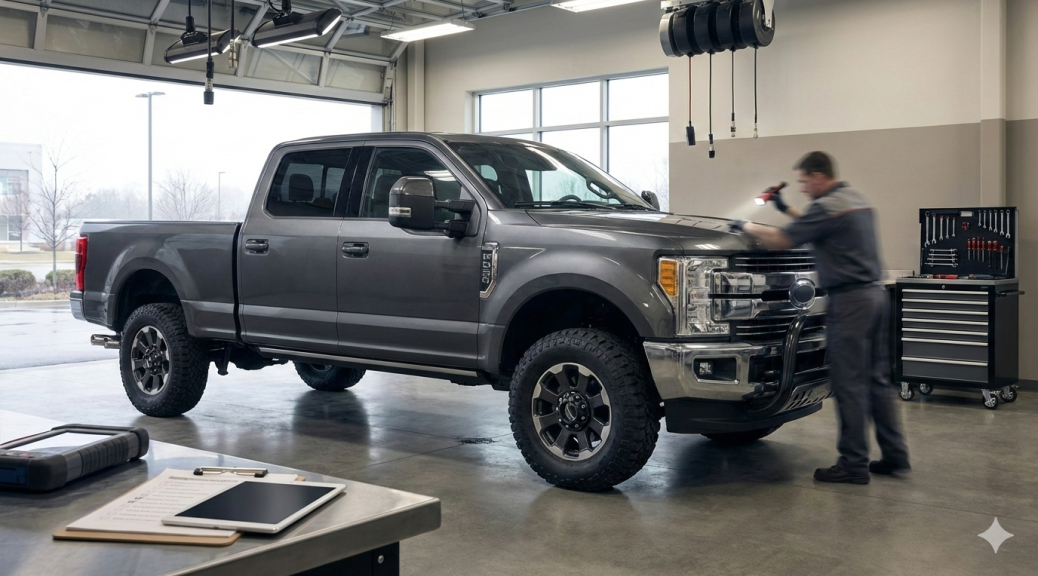
Buying a used diesel truck is very different from buying a typical gas vehicle. These trucks are built for towing, long miles, and sustained load — which means problems don’t always show up in a quick test drive. At North Texas Truck Stop, we evaluate every diesel truck with real-world use in mind, not just whether it “drives fine around the block.”
This post explains how we evaluate used diesel trucks before listing them, and what you as a buyer should be paying attention to — whether you’re shopping with us or anywhere else.
1. Mechanical Condition Comes First
Before anything else, we focus on the fundamentals. A clean interior or fresh tires don’t matter if the mechanical foundation isn’t solid.
We evaluate:
- Cold starts and idle behavior
- Engine noise, vibration, and abnormal operation
- Transmission shifting under normal and loaded conditions
- Steering, suspension, and brake performance
Diesel trucks can hide issues that only show up under load or over time. That’s why we take a conservative approach when deciding whether a truck belongs on our lot.
2. Emissions Systems Matter (Whether You Like It or Not)
Modern diesel trucks rely on emissions systems like DPF, EGR, and SCR/DEF. These systems are often misunderstood, but ignoring them can lead to expensive repairs down the road.
We check for:
- Warning lights or stored fault codes
- Signs of forced regenerations or incomplete regen cycles
- Evidence of improper tuning or deleted components
For buyers, understanding how these systems work is critical. We regularly publish diesel emissions guides to help owners make informed decisions, including:
Diesel Emissions Explained: DEF, DPF, EGR, and SCR
3. Frame, Suspension, and Underbody Inspection
Diesel trucks are often used for towing and work, so we pay close attention underneath the truck — not just what you see on the surface.
We look for:
- Frame condition and signs of excessive corrosion or damage
- Suspension wear from heavy towing or plow use
- Leaks from differentials, transfer cases, or cooling components
This is where many problem trucks reveal themselves. A clean exterior doesn’t mean the truck lived an easy life.
4. Reconditioning Is Not an Afterthought
Once a truck passes evaluation, reconditioning begins. This is where many dealerships cut corners — and where buyers often get burned.
Our reconditioning process focuses on reliability and usability, not just cosmetic cleanup. You can read more about how we approach this here:
Our Diesel Truck Reconditioning Process
The goal is simple: when a truck goes live, it should be something we’d be comfortable owning ourselves.
5. What Buyers Should Watch Out For Anywhere
If you’re shopping for a used diesel truck — even if it’s not with us — pay attention to:
- Dealers who won’t discuss emissions systems clearly
- Trucks with no service history or vague answers
- Listings with great photos but no real explanation of condition
A diesel truck should be evaluated as a system, not just a vehicle.
Browse Our Current Diesel Inventory
If you’re actively shopping, you can view our current inventory of used diesel trucks for sale. Each listing includes detailed photos, transparent descriptions, and walkaround videos when available.
Whether you’re buying now or still researching, understanding how diesel trucks should be evaluated puts you in a stronger position — and helps you avoid costly mistakes. Serving buyers across Texas from our Mansfield location.
Many of the trucks buyers evaluate fall into the $40K-and-under category, which we break down in detail in our guide to heavy duty diesel trucks under $40K in Texas.
View Diesel Inventory: diesel trucks for sale in Texas
View All Inventory: browse all available trucks
Financing Options: diesel truck financing
Nationwide Shipping: truck shipping and delivery
Want to see real trucks before you buy? Watch diesel truck walkaround videos