

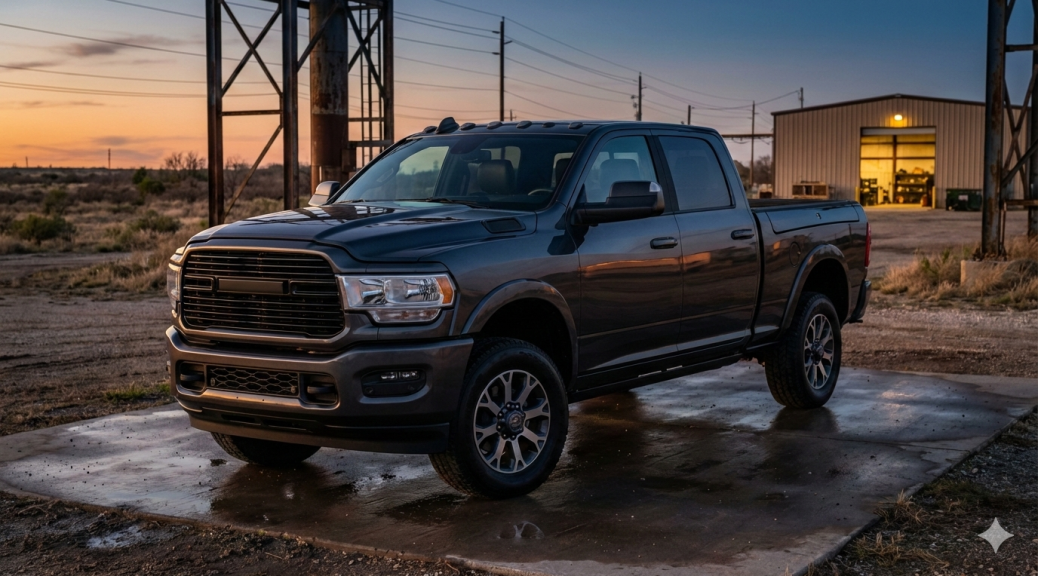
Buying a Used Diesel Truck in 2026: What Actually Matters (Mileage, Hours, Emissions, and Use Case)
If you’re shopping for a used diesel truck heading into 2026, you’ve probably noticed two things: prices are still elevated compared to pre-2020 levels, and the quality gap between trucks has never been wider.
Some diesel trucks with high mileage are excellent buys. Others with lower mileage can be money pits. The difference isn’t luck — it’s understanding what actually matters when evaluating a used diesel.
This guide breaks down how experienced diesel buyers think about mileage, engine hours, emissions systems, and use case — and why focusing on the wrong metric is the fastest way to make an expensive mistake.
Mileage matters — just not the way most people think
Mileage is still important, but it’s rarely the deciding factor on a diesel truck.
A modern diesel engine that’s been serviced properly can run well past 300,000 miles. At the same time, we see trucks with under 100,000 miles that are already showing expensive problems due to poor maintenance, short-trip use, or neglected emissions systems.
What matters more than the number on the odometer is how those miles were accumulated:
– Highway miles vs. short trips
– Consistent operating temperature vs. constant cold starts
– Maintenance intervals followed vs. deferred
A higher-mileage diesel that lived on the highway and was serviced on schedule is often a safer buy than a low-mile truck that spent its life idling, towing overloaded, or running incomplete regen cycles.
Engine hours: the metric buyers ignore (and shouldn’t)
Engine hours tell a story mileage alone can’t.
Two trucks can both show 120,000 miles, but one might have double the engine hours of the other. That usually means:
– Extended idling
– Job-site or fleet use
– PTO or stationary operation
High idle hours aren’t automatically bad — many work trucks are built for it — but they do change how you should evaluate wear, cooling systems, emissions components, and overall value.
In 2026, smart diesel buyers look at mileage and hours together, not in isolation.
Emissions systems: where good trucks become bad buys
This is the area where most buyers get burned.
Modern diesel trucks rely on complex emissions systems — DPF, DEF, EGR, SCR — and these systems are extremely sensitive to how the truck was used and maintained. Short trips, ignored warning lights, deleted maintenance schedules, or repeated incomplete regen cycles can turn a “nice truck” into a very expensive project.
That doesn’t mean you should avoid emissions-equipped diesels. It means you should understand:
– Whether the truck completed regular regen cycles
– Whether fault codes were properly diagnosed or ignored
– Whether components were replaced correctly or just reset
If you want a high-level overview of how these systems work and why they matter, the EPA provides a good reference on modern diesel emissions requirements and systems.
This is why inspection quality matters so much. At North Texas Truck Stop, we emphasize evaluating a diesel truck as a complete system. You can read more about our reconditioning standard and how we prepare premium diesel trucks before they ever hit the lot.
For buyers who want a deeper, non-sales overview of how modern diesel emissions systems are designed to operate, the EPA’s diesel emissions regulations overview provides helpful context on why components like DPF and DEF are sensitive to use patterns and maintenance.
Use case is the most important question you can ask
Before you compare brands, trims, or prices, you should answer one question honestly:
What am I actually going to use this truck for?
A diesel that’s perfect for long-distance towing, highway commuting, or farm and ranch use may be a terrible fit for short daily trips or in-town driving.
Modern diesels are phenomenal tools when used as intended. Problems arise when buyers purchase a diesel for the idea of capability rather than the reality of their driving habits.
In 2026, choosing the right diesel truck is less about “what’s the best engine” and more about matching the truck to your real-world use.
Why inspection quality matters more than ever
As prices, complexity, and repair costs increase, inspection quality becomes the difference between a confident purchase and a regretful one.
A proper diesel inspection should go far beyond a scan tool check, a quick test drive, or a clean vehicle history report. It should evaluate:
– Emissions readiness and history
– Cooling and fueling systems
– Signs of deferred maintenance
– How the truck was actually used
This philosophy is central to how we operate as diesel specialists. It’s not about selling the most trucks — it’s about putting the right trucks in front of buyers who plan to keep and use them.
Financing and planning ahead
Many buyers in 2026 are planning purchases more carefully, especially with interest rates and operating costs in mind. Understanding your options early helps you set realistic expectations and avoid rushing into the wrong deal.
If you’re planning ahead, exploring diesel truck financing before narrowing your search can make the buying process smoother and less stressful.
Start With Budget, Then Narrow by Use Case
Most buyers narrow their search by defining budget first, then matching capability to their real-world use. If you’re shopping in the most competitive price tier, our guide to heavy duty diesel trucks under $40K in Texas breaks down what that budget realistically buys.
From there, you can compare configurations, evaluate condition, and narrow your options based on how the truck was actually used — not just the badge or model year.
The bottom line for diesel buyers in 2026
Buying a used diesel truck in 2026 isn’t about chasing the lowest mileage or the newest model year. It’s about understanding how the truck was used, how it was maintained, and whether it fits your actual needs.
If you’re ready to browse inventory with that mindset, you can view our current selection of used diesel trucks for sale and evaluate trucks based on how they were prepared — not just how they look on paper.
Many buyers start by defining their budget first, and if that range is under $40,000, this breakdown of heavy duty diesel trucks under $40K can help narrow the field quickly.
View Diesel Inventory: diesel trucks for sale in Texas
View All Inventory: browse all available trucks
Financing Options: diesel truck financing
Nationwide Shipping: truck shipping and delivery
Want to see real trucks before you buy? Watch diesel truck walkaround videos