

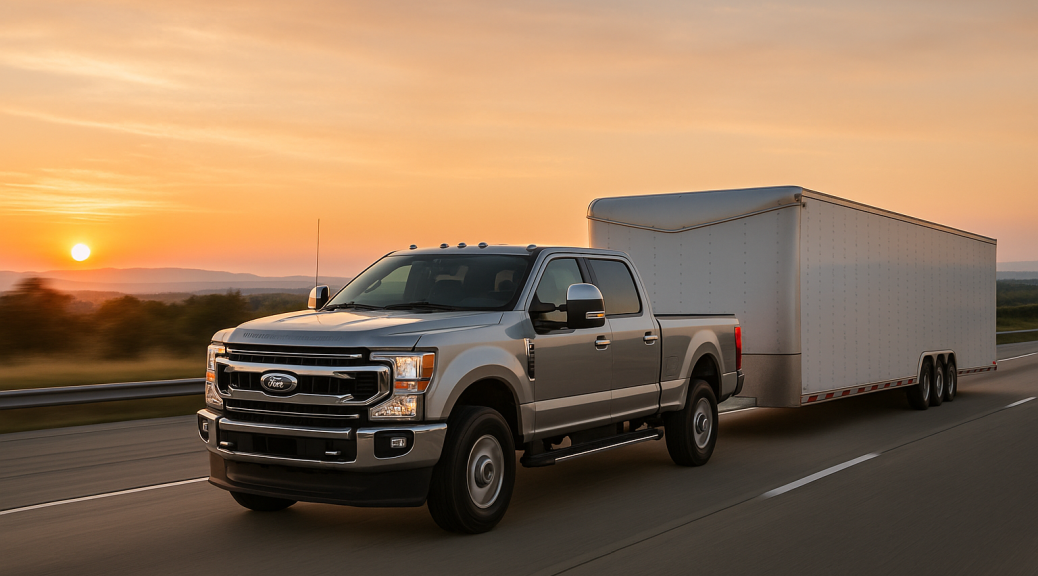
Modern diesel engines continue to dominate the heavy-duty truck world in 2025. Truck owners still rely on modern diesel engines like the 6.7L Cummins, 6.6L Duramax, and 6.7L Power Stroke for real-world work, long-term durability, and unbeatable torque — especially when evaluating used diesel trucks for sale in Texas that are expected to tow, haul, and last for the long term. Despite changes in emissions technology and fuel standards, diesel remains the backbone of towing, hauling, and commercial use.
Why Torque Still Rules in Modern Diesel Engines
The defining advantage of advanced diesel trucks is their low-RPM torque. Torque, not horsepower, is what moves heavy trailers and equipment. The newest diesel platforms deliver exceptional numbers:
- Ford Power Stroke 6.7L: up to 1,200 lb-ft
- Ram Cummins HO 6.7L: up to 1,075 lb-ft
- GM Duramax 6.6L: around 975 lb-ft
Low-RPM torque reduces strain on the drivetrain, keeps transmission temperatures low, and improves long-distance towing stability.
(Source: https://en.wikipedia.org/wiki/Diesel_engine)
How Today’s Diesel Engines Last Longer Than Ever
These engines routinely exceed 300k–500k miles when maintained properly. Even with modern emissions systems, durability has improved thanks to:
- stronger engine blocks
- high-pressure injection systems
- advanced cooling
- turbocharger improvements
- electronic protection systems
The 6.7L Cummins is known for internal longevity, the Duramax for smooth power delivery, and the Power Stroke for high-output capability.
(Reference: https://www.cummins.com/engines)
Diesel Fuel Efficiency vs. Gas Under Real-World Load
One of the biggest reasons diesel engines remain popular is fuel stability under load. Gas engines lose up to 40–50% MPG while towing, while diesels maintain consistent efficiency.
This gives diesel trucks a lower cost-per-mile for:
- hot-shot trucking
- RV towing
- agriculture
- commercial hauling
- long-distance travel
Diesels still offer 20–35% better towing MPG than comparable gas engines.
Modern Diesel Emissions Systems Are More Reliable Than Ever
Early DPF/DEF systems had issues, but modern versions (2020+) are drastically improved:
- hotter exhaust temperatures prevent clogging
- better DEF injectors
- smarter regen logic
- stronger EGR coolers
These updates make today’s diesel engines cleaner and more dependable.
(EPA resource: https://www.epa.gov/vehicle-and-engine-emissions)
Diesel Truck Resale Value Continues to Outperform Gas
Diesel trucks regularly hold $8,000–$14,000 more resale value than gas-powered HD trucks. Reasons include:
- longer lifespans
- stronger demand
- better towing capability
- higher desirability for second/third owners
This is especially true in rural regions, mountain states, and agricultural sectors.
The Future of Diesel Power Through 2030
Despite electric growth, diesel power will remain essential for:
- ranching
- oilfield work
- commercial fleets
- construction
- logging
- agriculture
- long-range towing
Battery weight, charging time, and range loss under load continue to limit EV adoption for heavy-duty applications.
GM, Ford, and Ram have all announced extended investment in diesel development.
(Ford Power Stroke info: https://www.ford.com/trucks/super-duty/)
Final Thoughts: Why Diesel Isn’t Going Anywhere
Diesel engines blend unmatched torque, long-term durability, towing stability, real-world efficiency, and improved emissions reliability. For buyers who tow or work from their trucks, diesel continues to be the most capable choice in 2025 — and the market data supports it.
For readers wanting to explore real-world examples of Cummins, Duramax, and Power Stroke models, you can browse our current diesel truck inventory here: Used Diesel Trucks.
Still deciding if diesel ownership makes sense in 2026? Read our complete buyer guide here: Is a Used Diesel Truck Still Worth Buying in 2026?
If you’re shopping for diesel trucks in the Dallas–Fort Worth area, you can browse our current diesel truck inventory here:
Diesel trucks for sale in Dallas–Fort Worth.
View Diesel Inventory: diesel trucks for sale in Texas
View All Inventory: browse all available trucks
Financing Options: diesel truck financing
Nationwide Shipping: truck shipping and delivery
Want to see real trucks before you buy? Watch diesel truck walkaround videos