

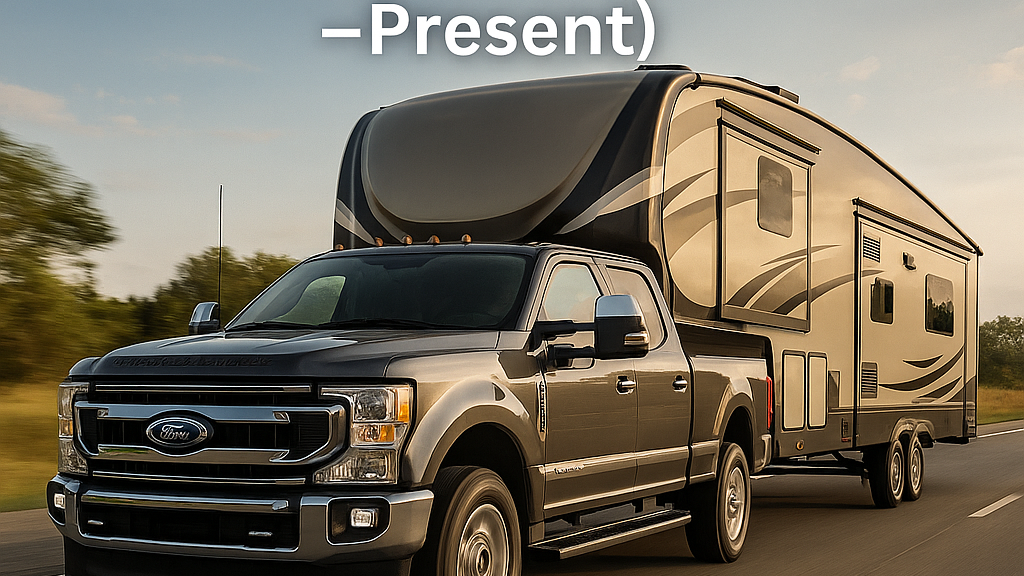
If you’re shopping a used diesel truck in 2026, “Power Stroke” isn’t one engine — it’s a long-running Ford diesel platform with multiple generations that vary significantly in reliability, towing performance, and ownership cost.
The smartest way to buy a Ford diesel is to understand which Power Stroke generation you’re looking at, what changed year to year, and what ownership looks like depending on how you drive (highway miles vs short trips) and how you plan to use the truck (daily driving vs heavy towing).
If you’re specifically researching the GM platform, see our full breakdown of Duramax 6.6L Generations (LB7–L5P). For Ram buyers, review our Cummins 6.7L Generations by Year.
This guide breaks down the major Power Stroke generations by year, highlights what matters most for real-world ownership, and gives you a practical “best years to buy” view for the current used market.
The 6.7L Power Stroke diesel is one of the most capable modern diesel engines on the road — but like any modern platform, it rewards correct use and consistent maintenance.
Quick Buyer Summary (2026)
- Best modern used sweet spot: 2017–2022 (6.7L Power Stroke)
- Best overall buying strategy: prioritize clean history + correct use patterns over “perfect year” obsession
- Biggest ownership factor: emissions system health (DPF/DEF/SCR) + maintenance consistency
Quick Power Stroke Generations Summary (By Year)
If you only remember one thing: the generation matters more than the badge. Use this table as your fast reference when comparing used Ford diesel trucks.
| Power Stroke Generation | Years | What It’s Known For | Best Fit |
|---|---|---|---|
| 7.3L Power Stroke | 1994.5–2003 | Older-school diesel ownership; strong reputation in the market | Budget buyers / older truck ownership |
| 6.0L Power Stroke | 2003–2007 | Popular in the market but requires careful buying discipline | Experienced buyers who prioritize history/condition |
| 6.4L Power Stroke | 2008–2010 | Transitional era; buyer caution recommended | Value buyers who verify condition thoroughly |
| 6.7L Power Stroke | 2011–Present | Modern Ford diesel platform; strong towing capability | Most used buyers in the 2016–2022 market |
Related hub: If you’re comparing platforms overall, start with our engine platform hub: Engine Platforms and our comparison pillar: Cummins vs Duramax vs Power Stroke (2026).
Best Power Stroke Years to Buy (Used Market Guidance for 2026)
If your goal is a modern Ford diesel that’s strong for real ownership (daily driving + towing) without jumping into the newest pricing tier, here’s the practical view:
Best “Modern Used” Sweet Spot
- 2017–2022 Ford Super Duty 6.7L Power Stroke — a strong mix of capability, modern towing features, and used-market availability.
Great Value (If Condition & Maintenance Are Right)
- 2015–2016 Ford Super Duty 6.7L Power Stroke — often a strong value tier if history and emissions health are solid.
NTTS note: “Best year” always depends on the individual truck. The same model year can be a great buy or a headache depending on how it was driven and maintained. That’s why we focus on preparation and presentation — see Our Reconditioning Standard.
Want to compare real Ford Power Stroke trucks available now? Browse our used diesel trucks for sale.
Power Stroke Generations Explained (By Year)
Below is a practical “what changed and why it matters” breakdown. This is not just history — it’s how to shop intelligently.
7.3L Power Stroke (1994.5–2003)
The 7.3L is one of the most well-known Ford diesel platforms. Today, it represents an older ownership category: buyers are usually choosing it because they want a simpler truck and are comfortable owning an older platform. At this age, the purchase decision is less about “the engine” and more about overall truck integrity, maintenance records, and how the truck was used.
6.0L Power Stroke (2003–2007)
The 6.0L era is common in the market and still attracts buyers because these trucks can be found at lower price points. The key is buying carefully and prioritizing condition. In real-world terms, the best 6.0L is the one with clean ownership history, proper maintenance, and correct usage patterns.
6.4L Power Stroke (2008–2010)
The 6.4L sits in a transitional era of diesel ownership. These trucks can be appealing due to pricing, but buyers should approach carefully and focus heavily on maintenance history and overall condition.
6.7L Power Stroke (2011–Present)
The 6.7L Power Stroke is the modern Ford diesel platform most buyers care about in 2026. It is known for strong towing capability, high output, and excellent integration with Ford Super Duty chassis and towing technology. For the 2016–2022 used market, this is where most buyers land when they want a modern diesel that feels capable, confident, and feature-rich.
Common Power Stroke Problems & What Buyers Should Watch For
Most “Power Stroke horror stories” are not about Ford — they’re about maintenance neglect, poor use patterns (especially constant short trips), or ignoring warning signs until a small issue becomes expensive.
1) Emissions System Reality (DPF / DEF / SCR)
Modern diesels are designed to be driven like diesels. Short trips and infrequent highway driving increase risk. If you’re buying in 2026, you should understand how emissions behavior looks when something is going wrong.
- Frequent regen cycles
- Reduced fuel economy
- DEF warnings / check engine lights
- Performance reduction or limp mode (worst case)
Start here for the bigger picture: Emissions & DEF Systems. And if you want the practical explanation buyers actually need: DEF System Deep Dive: How It Works + Symptoms of Failure.
2) Maintenance Discipline Matters
Modern Ford diesels are extremely capable, but they reward disciplined ownership. The trucks that hold up best long-term are usually the ones with consistent service history and correct use patterns (regular highway miles, not constant short trips).
3) “Condition Tells the Truth”
For used trucks, condition and presentation aren’t cosmetic — they’re diagnostic. A clean interior, consistent service history, and strong overall integrity usually align with better ownership outcomes. That’s why we put so much emphasis on prep before a truck is retail-ready.
Learn how we approach that: Our Reconditioning Standard.
Which Power Stroke Is Best for Your Use Case?
Daily Driving + Regular Towing
Most buyers land on 6.7L (2017–2022) in the used market. It’s a strong balance of modern features, towing capability, and availability.
If you’re also comparing Ram or GM platforms for similar use cases, see our full comparison: Cummins vs Duramax vs Power Stroke (2026).
Heavy Towing & Work Use
Ford Super Duty trucks are extremely capable, and for most 2026 buyers the difference comes down to condition, model year range, and how the truck was used — not just the engine badge.
Long-Term Ownership
If you’re keeping the truck long-term, the ownership formula is simple: buy clean, maintain consistently, and use the truck in a way that keeps emissions systems healthy (enough highway time, not constant short trips).
FAQ: Power Stroke Buyers (2026)
What does “Power Stroke generations by year” mean?
Power Stroke refers to multiple Ford diesel engines across different model years. Each generation has different updates, ownership realities, and buyer considerations.
Is the 6.7 Power Stroke a good engine in 2026?
Yes. The 6.7L Power Stroke is one of the most capable modern diesel engines available and is widely used in Ford Super Duty trucks. As with any diesel, maintenance and correct use patterns matter.
What are the best Power Stroke years to buy?
For most modern used buyers, 2017–2022 (6.7L) is a strong sweet spot. Value buyers often look at 2015–2016 if condition and history are right.
Next Steps
If you’re comparing Power Stroke to other diesel platforms, see: Cummins vs Duramax vs Power Stroke (2026).
Ready to compare real trucks in the market right now? Browse our current selection of used diesel trucks for sale.
If you’re shopping for a Ford Power Stroke diesel truck in the Dallas–Fort Worth area, you can browse our current Power Stroke diesel trucks here.
View Diesel Inventory: diesel trucks for sale in Texas
View All Inventory: browse all available trucks
Financing Options: diesel truck financing
Nationwide Shipping: truck shipping and delivery
Want to see real trucks before you buy? Watch diesel truck walkaround videos